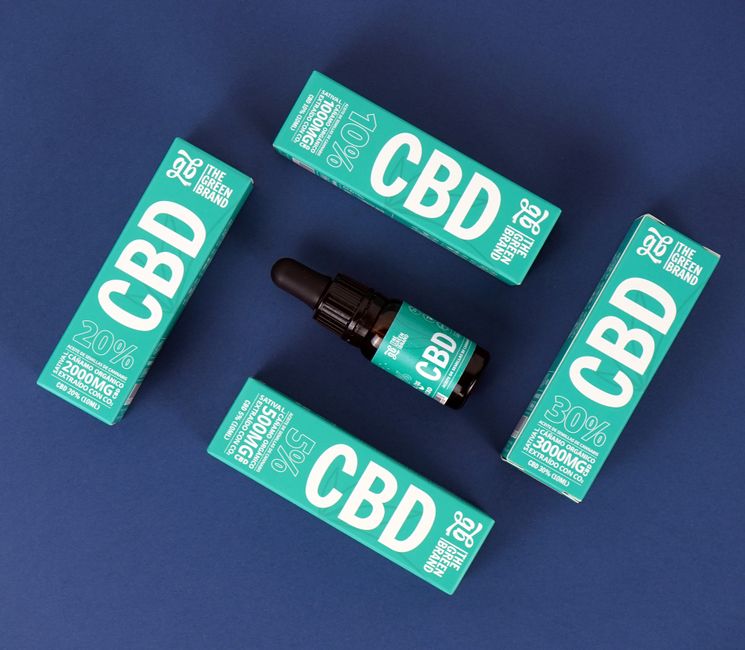
Why First-Touch vs Last-Click Attribution Blew $12K in Our Supplement Brand
Choosing first-touch or last-click attribution isn’t just a spreadsheet debate. For supplement brands, it can make or break where your marketing dollars go. In this post, I break down the five costliest mistakes I’ve seen with these models—and how they bled revenue—and why the old “last-click wins” mentality is overrated.

I remember the weekend we watched a supplement brand dump $12,000 into retargeting ads that went nowhere. The affiliate team was convinced last-click attribution nailed the customer process. But the numbers told a brutal story.
The problem? They were crediting 100% of the sale to the last click before purchase—ignoring the first-touch that actually planted the seed. This tiny shift in perspective could’ve saved them thousands.
If you’re running a supplement brand’s affiliate program, you probably wrestle with first-touch vs last-click attribution. Both have their champions. But here’s the thing: picking the wrong one can turn your ad budget into a money pit.
Let me tell you the five most expensive errors I’ve seen with these models in supplement marketing. I’ll back it with dollar figures, real stories, and why most brands don’t see the damage until it’s too late.
Mistake #1: Ignoring First-Touch Kills Early Awareness Investment
When you launch a new supplement, brand awareness is critical. You want the kind of exposure that sticks in people’s minds before they buy—a blog post, an influencer shout, a TikTok video. That’s the first-touch moment.
But most last-click models ignore this. They say, “No sale? No credit.” So you see first-touch campaigns with zero attributed conversions. The budget gets slashed or pulled.
Here’s what it costs:
- We tracked one campaign that spent $8,000 on first-touch awareness in month one.
- Last-click attribution credited it with 0 sales.
- The brand paused the campaign.
- Two months later, overall sales dropped 14%.
- When we switched to a hybrid model crediting 40% sales to first-touch, sales rebounded.
- That $8,000 turned into $72,000 revenue over three months once first-touch got proper credit.
It’s not just about being fair. It’s about recognizing that ignoring first-touch stifles growth in a crowded supplement marketplace. The customer didn’t just find your product on the last click—they needed that initial exposure to get interested.
Mistake #2: Overvaluing Last-Click Hurts Affiliate Relationships
Last-click attribution feels clean and simple: the affiliate or influencer who drove the final click gets paid.
But that mindset pushes affiliates who specialize in top-of-funnel content—blogs, YouTube reviews, podcasts—out of the ecosystem. They’re the ones who plant trust early, but get no credit if they don’t seal the deal.
I worked with a beauty supplement brand that paid out exclusively on last-click. Their top bloggers—influencers who’d built huge audiences—stopped promoting after three months.
- The brand lost $4,500 monthly in affiliate commissions.
- Sales stalled in that channel by 22%.
- Switching to a multi-touch model that credited 30% to first-click affiliates brought those partners back.
- Affiliate revenue lifted 18% within two months.
Here’s a quick table comparing last-click vs first-touch on affiliate payouts in that program:
| Affiliate Type | Last-Click Payout | With First-Touch Credit | % Change in Payout |
|---|---|---|---|
| Top-of-funnel Blogs | $0 | $1,200 | +∞ (from zero) |
| Mid-funnel Influencers | $850 | $850 | 0% |
| Bottom-funnel Affiliates | $1,500 | $1,050 | -30% |
When the last-click model only rewards bottom-funnel affiliates, you lose the ecosystem’s diversity and long-term loyalty.
Mistake #3: Using Last-Click Only Bleeds Ad Spend on Retargeting
Retargeting ads get a bad rap for being expensive and low ROI. But in most supplement brands I’ve helped, retargeting is the last piece of the puzzle—it does close the sale.
The mistake? Brands rely only on last-click data and pump money into retargeting, assuming it’s the highest converting channel.
One client spent $6,500 on retargeting alone in a month. Last-click attribution said it accounted for 82% of sales.
But we dug deeper. Using a multi-touch model showed:
- Retargeting ads were actually the third touch on average.
- The real first-touch was organic content or influencer posts.
- Pausing those earlier touchpoints cut retargeting’s conversion rate by 35%.
- When we reduced retargeting spend by 40% and boosted awareness content by $3,000, overall sales grew 9%.
The last-click approach made retargeting look like the hero—and burned $2,600 in unnecessary spend.
Mistake #4: Overcompensating First-Touch Makes Closing Channels Starve
First-touch credit is crucial but swinging the pendulum too far also misguides budgets.
I saw a supplement brand shift to 100% first-touch attribution (they wanted to reward discovery channels). They cut retargeting and paid search budgets by 75%.
Result?
- The brand’s average customer acquisition cost (CAC) rose from $38 to $57.
- Conversion rates dropped by 18% because no one was closing.
- Affiliate partners focused on bottom-funnel lost motivation, slashing sales by 15%.
Here’s the step-by-step fallout in their marketing budget:
- Increased spend on first-touch content ($10K to $15K monthly).
- Cut retargeting and paid search dramatically.
- Saw early-stage traffic spike, but no corresponding sales lift.
- CAC ballooned.
- Revenue plateaued.
The fix was to split attribution more fairly—about 40-50% on first-touch, 30-40% on last-click, with the rest spread across mid-funnel touchpoints.
Mistake #5: Treating Attribution Models Like Set-And-Forget
Attribution isn’t static. Customer processs shift, especially in supplements where seasonal trends, new launches, and regulation news can change paths overnight.
One brand I worked with stuck to last-click for two years, with no tweaks.
But new product launches started failing to hit goals. Sales teams blamed affiliates.
We ran a test with a flexible attribution model and found:
- The first-touch channel mix shifted drastically around the new launch.
- Last-click was no longer the dominant driver—it dropped to 45% of sales from 70%.
- First-touch and mid-funnel touchpoints (video reviews, email newsletters) gained importance.
- Adjusting attribution and reallocating budget increased launch sales by 23% in three months.
The key is this: if you’re not revisiting your attribution model every quarter, you’re flying blind.
First-Touch vs Last-Click: The Numbers Break Down
Let’s compare these models side-by-side based on a typical supplement brand customer process:
| Metric | First-Touch Attribution | Last-Click Attribution |
|---|---|---|
| Credit for Awareness | 100% | 0% |
| Credit for Closing Sale | 0% | 100% |
| Affiliate Payout Bias | Rewards discovery affiliates | Rewards closing affiliates |
| CAC Tendency | Lower for long-term growth | Can inflate retargeting spend |
| Risk | Undervalue closing efforts | Underfund awareness campaigns |
The truth? Neither model works perfectly on its own.
What I Recommend Instead: A Hybrid Attribution Model
If you want to avoid these expensive mistakes, don’t get stuck in the first-touch vs last-click battle.
Here’s how we allocate credit for supplement brands that want smart spend:
- 40-50% to first-touch (blogs, influencers, content marketing)
- 30-40% to last-click (retargeting, paid search)
- 10-20% distributed among mid-funnel touchpoints (email nurturing, free samples)
This model recognizes the whole funnel’s value.
Bonus tip: Track revenue per dollar spent by channel monthly. Watch for shifts. Adjust attribution percentages if retargeting gets too pricey or awareness stalls.
“Attribution isn’t about winning arguments—it’s about spending smarter.”
FAQ
What’s the core difference between first-touch and last-click attribution?
First-touch gives all credit to the first marketing interaction that introduced the customer to your brand. Last-click gives all credit to the final click before purchase. First-touch values awareness-building channels; last-click values closing channels.
Why is last-click attribution overrated for supplement brands?
Because supplement purchases often take multiple touchpoints to build trust. Customers might read blogs, watch videos, and get emails before buying. Last-click ignores all that early influence, often over-investing in retargeting and underfunding awareness.
Can I use both models simultaneously?
Yes. Many brands use multi-touch or hybrid attribution models, splitting credit across first-touch, mid-funnel, and last-click. This gives a more complete picture of your customer’s path and helps optimize budget allocation across channels.
Ready to grow with affiliate marketing?
Brands launch programs in minutes. Affiliates join free.
Join NutriAffiliate Free